
Blog
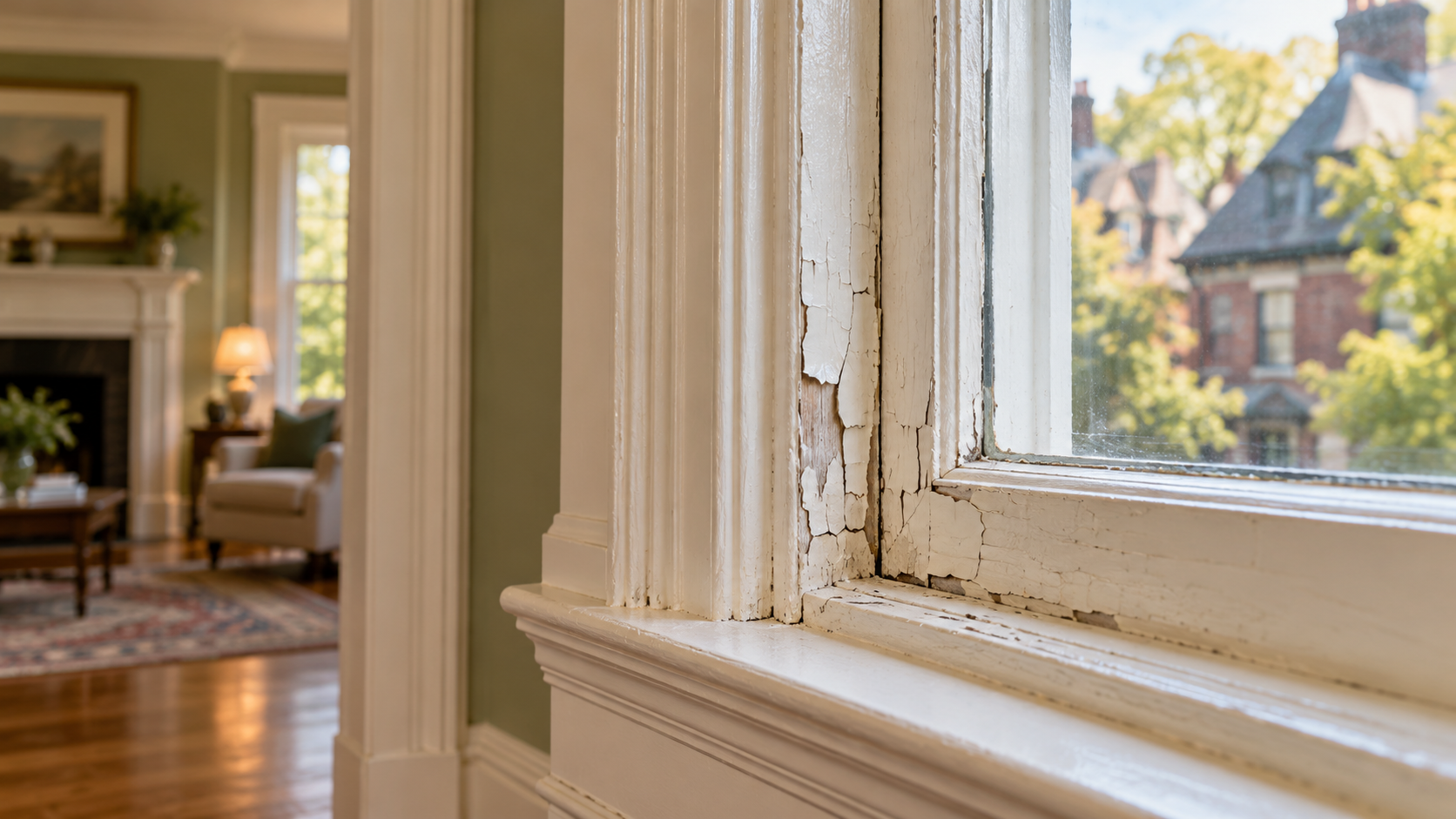
Finding suspected lead paint in an older home can be unsettling, particularly if you have children or you are preparing to repaint. If you think a painted surface may contain lead, do not sand, scrape, drill, or otherwise disturb it. First, determine when the home was built, assess the paint's condition and location, arrange appropriate testing or a professional risk assessment when needed, and speak with the appropriate professional before you begin painting or renovation. Homes built before 1978 may have lead paint, but the age of the house alone does not confirm that lead is present. The condition of the painted surface, how it is used, and whether upcoming work will disturb it all matter when deciding what to do next. Painters during this time period may have used lead paint for interior painting or exterior painting applications. How Do You Know If Your Home Has Lead Paint? The only reliable way to confirm whether a painted surface contains lead is through appropriate testing. Homes built before 1978 are more likely to contain lead-based paint, but you cannot identify it accurately from its color, texture, age, or cracking pattern. A certified lead inspector or risk assessor can provide a professional evaluation. The federal government banned the sale of lead-based paint for residential painting use in 1978. EPA guidance states that older homes are more likely to contain it, and lead-based paint may remain beneath several newer layers. That means a wall that looks recently painted may still have older lead-based coatings underneath. Previous inspection reports, lead disclosures from a former owner, property information, and records from earlier renovations can give you useful background. They do not, however, replace testing when you need to know whether a specific painted component contains lead. Two professional evaluations are particularly useful to understand: A lead paint inspection identifies which painted components contain lead-based paint. A lead risk assessment looks for existing lead hazards, such as deteriorated paint or contaminated dust, and helps determine appropriate actions. CDC explains that an inspection tells you the lead content of painted structural components, while a risk assessment evaluates serious lead hazards and helps identify appropriate next steps. Is Lead Paint Dangerous If It Is Not Peeling? Lead-based paint that is intact, stable, and not being disturbed is generally less likely to create an immediate exposure problem than paint that is cracking, peeling, or producing dust. Still, paint that looks intact should not automatically be treated as risk-free. EPA states that lead-based paint in good condition is usually not a problem. The concern increases when the coating deteriorates or is located on surfaces that rub, wear, or receive repeated impact. Pay particular attention to painted areas such as: windows and window wells doors and frames stairs and railings baseboards cabinets porches painted floors Windows and doors deserve particular attention because normal opening and closing can create friction between painted surfaces. CDC identifies windows, doors, floors, porches, stairways, and cabinets as areas where lead dust may occur. Moisture is another concern. Water intrusion can cause previously stable coatings to crack, loosen, or peel. The important issue is not only whether you can see large paint chips. Lead-contaminated dust can be very fine and may not be visible. Who Is Most Vulnerable to Lead Exposure? Children under six require particular protection from lead exposure. CDC identifies younger children as being at greater risk in part because their bodies are still developing and because young children frequently put their hands and objects in their mouths. Lead exposure also deserves additional attention during pregnancy because lead can pass to a developing baby. CDC recommends that anyone who is pregnant and believes they may have been exposed discuss the situation with a healthcare provider. Concern also increases for anyone present while older painted surfaces are being sanded, cut, demolished, or otherwise disturbed. Lead exposure often does not produce obvious immediate symptoms. If you are concerned that a child may have been exposed, talk with a healthcare provider. CDC states that a blood lead test is the best way to determine whether a child has lead in their blood. What Should You Do If You Suspect Lead Paint? Your priority should be preventing unnecessary disturbance while you gather reliable information. Stop Work That Could Create Dust Do not start sanding, dry scraping, drilling, cutting, or other work that can disturb the suspected coating. EPA warns that common renovation, repair, and painting activities involving older lead-based paint can create hazardous dust and paint chips. A surface that was relatively stable before work began can become an exposure concern once preparation or demolition starts. Keep People Away From Damaged Areas Limit access to peeling paint, visible paint chips, damaged window areas, and other deteriorating painted surfaces, particularly for children and pets. Do not allow children to chew or mouth painted surfaces. Determine the Home's Age Find out whether the property was constructed before 1978. The construction date helps you determine whether lead-based paint is more likely, but it cannot tell you whether a particular wall, door, window, or piece of trim contains lead. Arrange Appropriate Testing For a reliable answer, consider a certified lead inspector or risk assessor. The Pennsylvania Department of Health states that any home built before 1978 could contain lead-based paint and that professional inspection is the way to know for sure. Consumer test products should not be treated as equivalent to a complete professional inspection or risk assessment when evaluating the condition of an entire property or a significant renovation. Contact a Healthcare Provider When Exposure Is Possible If a child has had access to paint chips, a significant amount of dust has already been created, or you have another reason to believe someone may have been exposed, contact an appropriate healthcare provider for guidance. Allegheny County also provides lead-exposure resources for local families, including blood lead testing information and certain home inspection services for qualifying situations. How Can You Be Safe in a Home That Has Lead Paint? Lead-based paint in a home does not automatically mean you must remove every painted surface. EPA notes that children can live safely in homes containing lead-based paint when painted surfaces remain in good condition, surfaces are kept clean, and exposure is prevented. The practical goal is to keep lead-containing coatings stable and reduce the chance of contaminated dust reaching people in the home. Regularly look for cracking, chalking, peeling, impact damage, and moisture problems. Give extra attention to windows, doors, stairs, trim, and other surfaces that receive regular friction or handling. EPA recommends damp cleaning of hard surfaces and wet mopping to reduce settled dust. Allegheny County similarly advises routine wet dusting and mopping as part of exposure prevention. Other everyday precautions include washing children's hands and frequently handled toys, keeping children away from chewable painted surfaces, addressing water leaks that can accelerate coating deterioration, and avoiding aggressive surface preparation until you have an appropriate project plan. If you live in Allegheny County and have questions about lead in your home, the Allegheny County Health Department maintains local lead prevention, testing, referral, and education resources. Can You Paint Over Lead Paint? In some situations, repainting may help maintain a stable painted surface, but you must first evaluate the condition of the existing coating. Applying ordinary paint does not remove the underlying lead or permanently eliminate a lead-based paint hazard. EPA specifically states that simply covering lead paint hazards with regular paint does not permanently address those hazards. EPA materials also distinguish ordinary paint from specialized encapsulation systems. That distinction matters when homeowners ask about painting over lead paint . Before repainting, the existing coating must be stable enough for the proposed work and coating system. If the surface is severely damaged, contaminated, repeatedly exposed to friction, or affected by moisture, another evaluation or treatment may be needed before conventional painting is appropriate. A new finish coat also does not make unsafe preparation acceptable. Sanding or scraping through newer layers can expose older coatings and generate dust even when the finished wall looked stable beforehand. Future owners and contractors should also know that lead-based paint remains underneath the newer coat of paint. Keep any inspection reports, test results, disclosures, and project documentation with your home records. Why Surface Preparation Requires Special Care in an Older Home Good painting normally depends on good surface preparation. Depending on the room's condition, preparation may involve correcting loose coatings, patching damaged areas, or creating a surface that properly accepts the new finish. In a home where lead-based paint may be present, the preparation phase requires additional consideration because disturbing an older coating can create contaminated dust. EPA's Renovation, Repair and Painting Program applies to covered renovation, repair, and painting work in pre-1978 homes and child-occupied facilities when the work disturbs painted surfaces. EPA recommends that homeowners planning covered work hire contractors who are appropriately certified and trained in lead-safe work practices. Pennsylvania's Department of Health also directs homeowners to lead-safe renovation requirements for contractors working in older housing. Before hiring someone for work that may disturb older paint, ask how the home's age affects the proposed scope, what certifications or requirements apply, how surface preparation will be handled, what containment is required, and how cleanup will be managed. Which Type of Professional Should You Contact? Lead testing, lead-hazard work, and ordinary residential painting are different services. A certified lead inspector determines which painted components contain lead-based paint. A certified risk assessor evaluates whether lead hazards currently exist and can recommend appropriate next steps. A certified abatement professional performs work specifically intended to eliminate identified lead hazards permanently. A professional painter performs the painting scope after the condition of the surfaces, required preparation, and applicable safety requirements have been properly established. EPA treats inspections, risk assessments, abatement, and renovation or painting as distinct activities with different purposes and certification requirements. Don't assume that hiring a painting company automatically includes a lead inspection, risk assessment, or abatement service. Ask specifically which services and certifications the proposed project includes. Planning Interior Painting in an Older Pittsburgh Home If you are considering professional interior painting in Pittsburgh and your home was built before 1978, give the painting contractor as much relevant information as possible before work begins. Tell the contractor: approximately when the home was built whether you have received any lead disclosures whether the home or specific surfaces have been tested where paint is peeling, cracking, or otherwise deteriorating whether there has been moisture or water damage which rooms, doors, windows, trim, or other surfaces you want painted whether another repair or renovation project will disturb those surfaces If children, pregnant occupants, or pets live in the home, that information can also help with planning how and when work will take place. Sharing the home's history and available testing information early helps define the project scope before normal preparation begins. It can also identify situations where a certified lead professional should evaluate the property before the painting project moves forward. Why Homeowners Choose ESP Painting ESP Painting provides residential and commercial painting services throughout the greater Pittsburgh area, including interior painting for walls, trim, doors, and other surfaces. The company has operated since 1998 and is owner-operated. For interior projects, ESP's role is to discuss your painting needs, evaluate the visible condition of the surfaces within the proposed scope, plan appropriate preparation, protect surrounding areas, apply the selected finish, and complete the project cleanup. If your home was built before 1978, tell ESP before the project begins. Also provide any lead disclosure, inspection, risk assessment, or testing documentation you already have. That information helps separate the painting work from any lead-specific testing or hazard work that another qualified professional may need to complete first. Once we establish the condition of the surfaces and applicable project requirements, ESP can discuss the appropriate residential painting scope for your home. Frequently Asked Questions Can you tell whether paint contains lead by looking at it? No. A home's age and the condition of its paint can indicate that further evaluation is appropriate, but appearance alone cannot confirm whether a surface contains lead. Professional testing can identify which painted components contain lead-based paint. Is it safe to live in a house with intact lead paint? Lead-based paint that remains intact, clean, and undisturbed generally presents less risk than deteriorating paint. EPA states that lead-based paint in good condition is usually not a problem. Friction surfaces such as windows and doors still require attention because normal wear can produce lead-contaminated dust. Does painting over lead paint make it safe? Ordinary paint does not remove the underlying lead or permanently eliminate a lead hazard. Repainting may be appropriate for some stable surfaces after proper evaluation, but it should not be confused with lead abatement or specialized encapsulation. Can I sand a wall that may contain lead paint? Do not sand a suspected lead-painted surface without first determining what lead-safe requirements apply. Sanding can create contaminated dust that spreads beyond the immediate work area. Who should test my home for lead paint? A certified lead inspector can determine which painted components contain lead. A certified risk assessor can evaluate current lead hazards, including problems involving deteriorated paint or contaminated dust. Should I tell my painter that my home was built before 1978? Yes. Tell the painter when the home was built and provide available lead disclosures, inspection reports, or testing results. Lead-based paint can affect how you plan surface preparation and other parts of the project. Take the Right Step Before Disturbing Old Paint An older home does not automatically have lead paint, and discovering lead-based paint does not automatically mean you must remove every painted surface. What matters is knowing where lead is present, whether the coating is stable, whether it creates dust, and whether your planned painting or renovation project will disturb it. Do not begin sanding, scraping, or other aggressive preparation based on appearance alone. Confirm the home's age, arrange appropriate testing or professional evaluation when needed, and use the right certified professional for lead inspection, risk assessment, or abatement work. Once the painting scope and safety requirements are established, an experienced painter can help you move forward with the interior finish you want. Are you preparing to repaint the interior of an older Pittsburgh home? Tell ESP Painting when your home was built and share any available lead inspection or testing results. Serving Pittsburgh-area property owners since 1998, ESP Painting can discuss the condition of your visible surfaces, the rooms you want painted, and your interior painting goals. Contact ESP to request an interior painting estimate.